How to trade meme coins in 2026 without becoming exit liquidity
You can order the same kind of articles for your own video to boost it on YouTube and Google. Just message the Telegram bot @sat_sit_bot. Articles with your video embedded are written and posted by the bot itself — on popular topical sites (no ads). Free trial — 50 articles.
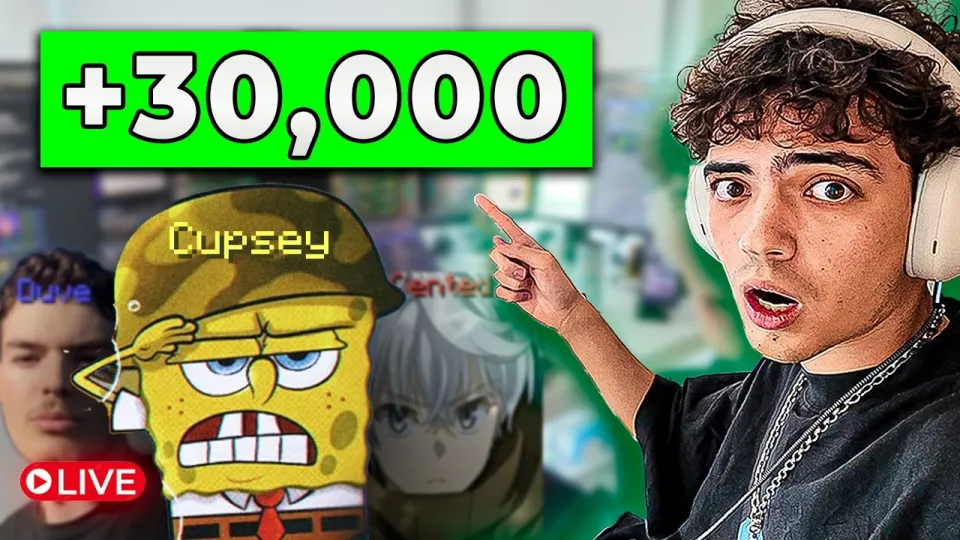
Meme coin trading is a high-speed, high-risk style of crypto speculation in which traders buy newly launched tokens on Solana, usually within minutes of the pair going live, and exit on momentum rather than on fundamentals. The realistic version of it, shown in Ethan Prosper's session with trader Cupsey, is a grind of small, rule-based bets with strict sizing — not a lottery ticket. If you want to try it with the same terminal setup, registration is available via Padre trading terminal.
What a top meme coin trader actually does in a session
The core loop is simple: find a fresh pair, check the contract and the dev wallet, buy small, and sell into the first wave of buyers. In the video, Cupsey and Prosper run through trades on Lobo and 1% that returned roughly 200 SOL combined, a cheese-themed coin, a Grok-branded token that added about $15K, and a Mosaic AI launch worth around 80 SOL. Those numbers look enormous, but they are the output of a full working day in front of a terminal, not of a single lucky click.
The workflow behind those trades usually looks like this:
- Scan the launch feed for new Solana pairs with real volume and holder growth, not just a chart that looks vertical.
- Check the dev wallet and bundle history — whether the creator holds a large share or has already dumped previous tokens.
- Size the entry so a full loss is a rounding error against the bankroll, typically a fraction of a percent to a few percent.
- Set an invalidation level before buying and sell into strength rather than waiting for a target that may never come.
- Log the result, because the pattern recognition that pays comes from a few hundred recorded trades.
Why speed is the edge and why it is also the trap
The edge in meme coin trading is latency plus attention: the traders who consistently win are watching the same feed for ten or more hours a day and reacting before the crowd. That is precisely what a viewer in the comments meant when noting that these are speed traders doing the hardest possible style — and that nobody has to trade this way to make money in crypto.
The trap is that speed is not transferable. If you copy a call five minutes late on a token that is already up several hundred percent, you are buying the exit liquidity of the person who called it. The same applies to copy-trading wallets: a large account that spreads entries across many addresses can look like a genius on the leaderboard while retail followers absorb the sell-off. Treat any public wallet as a research input, never as an instruction.
Position sizing and risk rules that keep you alive
Risk control is the only part of meme coin trading that is fully under your control, and it is what separates a repeatable process from gambling. A token launched on pump.fun can go to zero in minutes, and no amount of chart study changes that base rate.
Practical rules that experienced traders apply:
- Cap any single new-pair bet at 1–2% of the trading bankroll, and treat the whole memecoin allocation as money you can lose entirely.
- Keep a separate, untouched stack in SOL or stablecoins for fees, gas and re-entry.
- Decide the exit before entry: partial sell into the first spike, then a trailing stop on the rest.
- Avoid adding to a loser; averaging down on a liquidity-poor pair usually just doubles the loss.
- Track win rate and average win/loss size, not just the biggest single trade.
Tools, terminals and the launchpad ecosystem
A meme coin terminal is the interface where most of this activity happens: charting, contract checks, quick buy and sell buttons, wallet tracking and copy-trade features in one screen. Padre, linked in the video description, is one of several terminals competing with Axiom and similar tools for Solana traders, and pump.fun remains the dominant launchpad for new pairs.
The tooling matters less than people expect. A terminal makes execution faster and reduces fat-finger errors, but it does not improve a bad thesis. What actually helps is a consistent checklist: contract verified, liquidity locked or burned, dev wallet clean, holder distribution not dominated by a handful of addresses, and socials that are not an empty shell. If a token fails two of those checks, skip it — there will be another launch in the next minute.
Common questions from newer traders
Newcomers usually ask the same handful of things after watching a session like this. How much capital is needed to start? Realistically, enough to place several dozen small bets without emotional pressure — a fraction of a SOL per trade is a normal starting size, and the goal of the first month is data, not profit.
What about faucets and free SOL? Those are testnet or promotional tools for experimenting with a terminal; they do not create a real edge, and any site promising free mainnet SOL in exchange for a wallet connection should be treated as a scam.
Is it too late to start? No, but the style has become more competitive. Fees, sniping bots and professional market makers now dominate the first seconds of a launch, so a slower, larger-cap approach — trading established tokens with real liquidity — is a legitimate alternative that most profitable traders eventually migrate toward.
Useful links
- Padre trading terminal — registration via the video link
- Ethan Prosper's site and links
- Cupsey on X
- SOLMAFIA Discord
- Pastel trading community
The takeaway from this meme coin experiment
Watching a professional turn a session into hundreds of SOL is inspiring, but the transferable lesson is the discipline, not the numbers. The traders who survive treat meme coins as a high-variance side strategy with strict sizing, a documented process and a hard stop on the day. The channel Ethan Prosper built this breakdown around is worth following for exactly that reason: it shows the mechanics of the grind rather than selling a shortcut. If you want to test the workflow yourself, start with a small account through the Padre terminal link and keep your first hundred trades boring.
Key takeaways
- A single session in the Ethan Prosper video with trader Cupsey produced 200+ SOL on Lobo and 1%, +80 SOL on Mosaic AI and about +$15K on a Grok-branded token.
- Memecoin trading on Solana runs through terminals like Padre/Axiom and launchpads such as pump.fun, where the first minutes of a pair decide most of the outcome.
- Speed traders work 10+ hour days scanning new pairs; this is the hardest style in crypto, not the default one.
- Copy trading top wallets is the most common way retail becomes exit liquidity for multi-wallet operators.
- Position sizing and pre-set invalidation matter more than picking the next 100x, because most new pairs go to zero.
Questions & answers
How much money do you need to start trading meme coins?
Enough to place dozens of small bets without emotional pressure. Many traders start with a fraction of a SOL per position and treat the first weeks as paid research. The goal is a documented process and a measurable win rate, not an early profit.
Is copy trading top meme coin wallets a good strategy?
It is risky by default. Large accounts often spread entries across multiple wallets, so followers can end up buying the exit liquidity of the trader they copied. Use public wallets as research input and always size positions as if the token could go to zero.
What is a meme coin terminal and do you need one?
A terminal bundles charts, contract checks, wallet tracking and fast buy/sell execution for Solana pairs. Tools like Padre or Axiom speed up execution and reduce errors, but they cannot fix a weak thesis — the checklist of contract, liquidity and holder distribution still decides the outcome.
Are meme coins still worth trading in 2026?
They are tradeable but far more competitive: bots and professional market makers dominate the first seconds of a launch. Slower approaches on established tokens with real liquidity are a legitimate alternative, and many profitable traders eventually shift most of their capital there.
Source: I Traded With The World’s #1 Memecoin Trader · Markdown version